Leadership Training Course
Develop your individual leadership style so you can inspire and motivate your team, department and company.

- Maximum 8 Delegates
- Two Trainers per Course
- Money Back Guarantee
A really wonderful two days developing leadership skills. It was such a pleasure to attend the training with Impact Factory. The course content was excellent and our hosts, Deborah and Tom, were really engaging and fantastic to learn from.

One-to-One Skills Training
If you would prefer One-to-One Leadership Skills Training, we offer a 2-hour online Zoom call format for yourself or your colleagues. Please contact us to discuss your requirements.
This course helps you with
Effective Leadership Behaviours and Core Leadership Competencies
Understanding the Different Aspects of Leadership
Becoming a Mentor on Your Leadership Journey
Leading in a Remote World
Changing What You Do and Personal Development
Leading by Example with Authentic Leadership
Managing Group Dynamics
Delegating
Working with Difficult People
Empowering and Inspiring Others on your Leadership Journey
Going Beyond Stereotypes
Handling Emotions in Leadership
Talk To Us About This Course
- Call us
- +44 (0)20 7226 1877

Book this Leadership Training Course
This course is only available as one-to-one skills training.
Please contact us to discuss further options.
If you want to book 4 or more people on to a single course, please contact us:
- Call +44(0)20 7226 1877
- Email enquiries@impactfactory.com
Location
London Training Rooms,Suite 121
Business Design Centre,
52 Upper Street,
London, N1 0QH
Running time
{{courses[0].StartTime | formatTime}} - {{courses[0].EndTime | formatTime}}
Format
This course is available in Face-to-Face, Hybrid and Remote formats unless otherwise stated.
This course is available in Hybrid format only.
This course is available in Face-to-Face format only.
This is a Hybrid Course
All of our Hybrid courses can be attended either in-person or remotely. Your choice!
This stunning new ‘Hybrid’ technology makes Remote Learning feel like being there with everyone else in a supportive community!
Ideal for International Customers
Our Hybrid courses are the ideal choice for international customers who would like the quality of an intimate meeting and the convenience of remote learning.


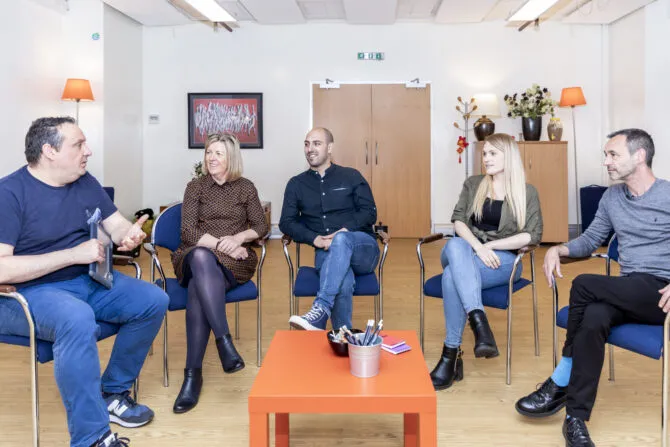
We believe this is one of the top leadership training courses in London, UK. Our aim is to develop your individual leadership style and leadership potential so you can inspire and motivate your team, department, and company.
You will be involved in a broad range of games and exercises in which you’ll recreate and re-run real interpersonal situations to refine your leadership approach. These will help you to develop practical skills on your leadership journey.
It is a challenging, insightful, and hugely rewarding two days of key learning about the different aspects of leadership and key leadership theories.
This leadership training course is suitable for anyone taking on a leadership and management role or developing as a leader.
There will be opportunities to focus on the more recent need to deliver professional leadership remotely and to hybrid teams.


Course Benefits
This Leadership Course is limited to 8 delegates ensuring personal attention to everyone on the course.
2 quality trainers per group means a total focus on you.

Leadership Training Course
DAY ONE:
Bringing Leadership Alive
- What is Leadership?
- Leadership Styles
- Action-centered Leadership
- Who Am I?
- Values
- Speaking From the Why
- Leadership Initiative
DAY TWO:
Inspiring Action
- Trust and Risk
- Leadership Scenarios
- Motivation
- Making Decisions
- Change Management
- Moving and Shaking
Discussing Leadership
Qualities and range of skills of a leader and the dynamics of leadership
Core leadership competencies and inherent leadership qualities
What kind of leader are you? What is your leadership approach?
What kind of leader do you want to be?
Skills and leadership experiences you already have
Emotional intelligence
Any gaps in your leadership map?
Leadership Styles
Different types of leaders, concepts of leadership and styles
Evaluation of leadership theories
Pros and cons of a broad range of personal leadership styles of world leaders
Action Centred Leadership
Allocation of tasks
- Individuals
- Teams
- Organisations
Who Am I?
How you view yourself
How you’re viewed by others
Similarities and anomalies between the two
Values
Emotions in leadership practices
What values create inspirational leadership?
Speaking From the Why?
How inspirational leadership inspires action
Looking at key leadership theories like Simon Sinek’ Golden Circle
Leadership Initiative
Work with a current leadership initiative
Define a clear vision of what you want
Who, what, why, where, when and how of it
Steps to begin the leadership initiative
Overnight assignment
Trust and Risk
Building trust and leadership influence
Authentic leadership
Leadership Scenarios
Practical leadership strategies and tools to deal with leadership predicaments like:
- Conflict management
- Giving difficult messages
- Giving effective feedback
- Mediating
- Managing meetings
Motivation
Your motivators on your leadership journey
Motivators of the people you work with
What is the difference?
Making Decisions
What could possibly go wrong!
Stress of executive leadership roles
Practical decision-making tools
Change Management
Leadership and change
Different reactions to change
How to create a place of comfort
Creating a committed team
Deliberate Misunderstanding
Dealing with obtuse or difficult people
Difficult team dynamics
Avoiding being hooked in
Moving and Shaking
Feedback on personal leadership qualities
Development of leadership skills
Develop a strategy for implementing new leadership skills
Identifying improvement opportunities
Personal Takeout
Specific scenarios
Best and worst-case outcomes
Emotions in leadership
Identify necessary support and develop a backup plan








James and Katie were excellent coaches. I attended a leadership course and it felt very personalised. They tailored the days to fit in with the different levels of experience of those attending. Both James and Katie were great at role playing situations making the sessions memorable and fun. Their support continues after the course thorough phone calls also. They have already helped me navigate a leadership challenge in the new year. I would highly recommend the Impact Factory if you are looking for a leadership course that is engaging and challenges your thinking.
Excellent informative course with small size groups so you can get more from it. They help tailor it towards your needs.
A really wonderful two days developing leadership skills. It was such a pleasure to attend the training with Impact Factory. The course content was excellent and our hosts, Deborah and Tom, were really engaging and fantastic to learn from.