Assertiveness Course
The focus of this assertiveness course is about making choices and understanding that you have more choices than you think.

- Maximum 8 Delegates
- Two Trainers per Course
- Money Back Guarantee
Impact Factory were really supportive and as I was a bit nervous on the day this really helped. This course was really informative and we were given some good tips on how to deal with different situations.
One-to-One Skills Training
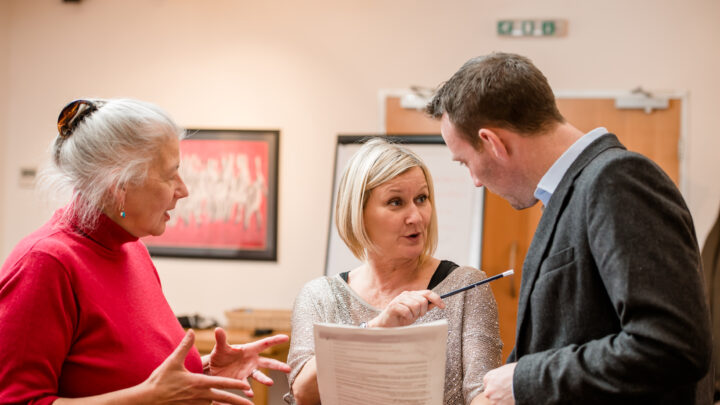
If you would prefer One-to-One Assertiveness Skills Training, we offer a 2-hour online Zoom call format for yourself or your colleagues. Please contact us to discuss your requirements.
These courses help you with
Dealing with Feelings
Setting Boundaries
Giving Clear Messages
Closing Conversations
Increasing Confidence
Difficult People and Situations
The Art of Saying ‘No’
The 2-Day course allows for more practice and personalised time with the trainers.
Talk To Us About These Courses
- Call us
- +44 (0)20 7226 1877

Book this Assertiveness Course
This course is only available as one-to-one skills training.
Please contact us to discuss further options.
If you want to book 4 or more people on to a single course, please contact us:
- Call +44(0)20 7226 1877
- Email enquiries@impactfactory.com
Location
London Training Rooms,Suite 121
Business Design Centre,
52 Upper Street,
London, N1 0QH
Running time
{{courses[0].StartTime | formatTime}} - {{courses[0].EndTime | formatTime}}
Format
This course is available in Face-to-Face, Hybrid and Remote formats unless otherwise stated.
This course is available in Hybrid format only.
This course is available in Face-to-Face format only.
This is a Hybrid Course
All of our Hybrid courses can be attended either in-person or remotely. Your choice!
This stunning new ‘Hybrid’ technology makes Remote Learning feel like being there with everyone else in a supportive community!
Ideal for International Customers
Our Hybrid courses are the ideal choice for international customers who would like the quality of an intimate meeting and the convenience of remote learning.


One Day Open Course
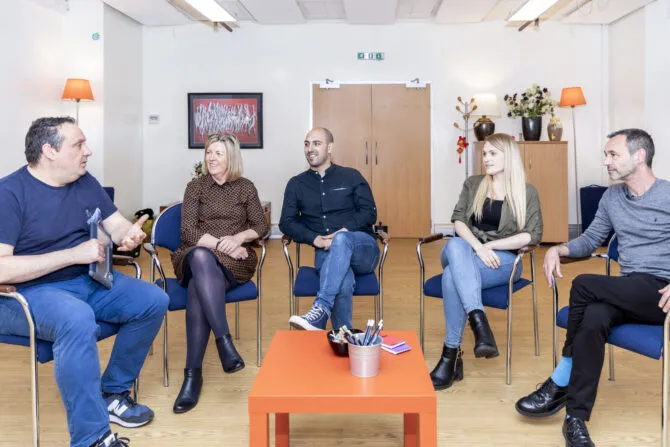
The focus of this assertiveness programme is about making choices and understanding that you have more choices than you think.
It’s a practical assertiveness course that will help you feel more confident in your ability to deal with aggressive people and avoid those angry outbursts when you are pushed too far.
We look at how you can make easy changes in your behaviour so that you will no longer feel pressured into doing things you’d rather not do.
This is the original too nice for your own good assertiveness programme.

Course Benefits
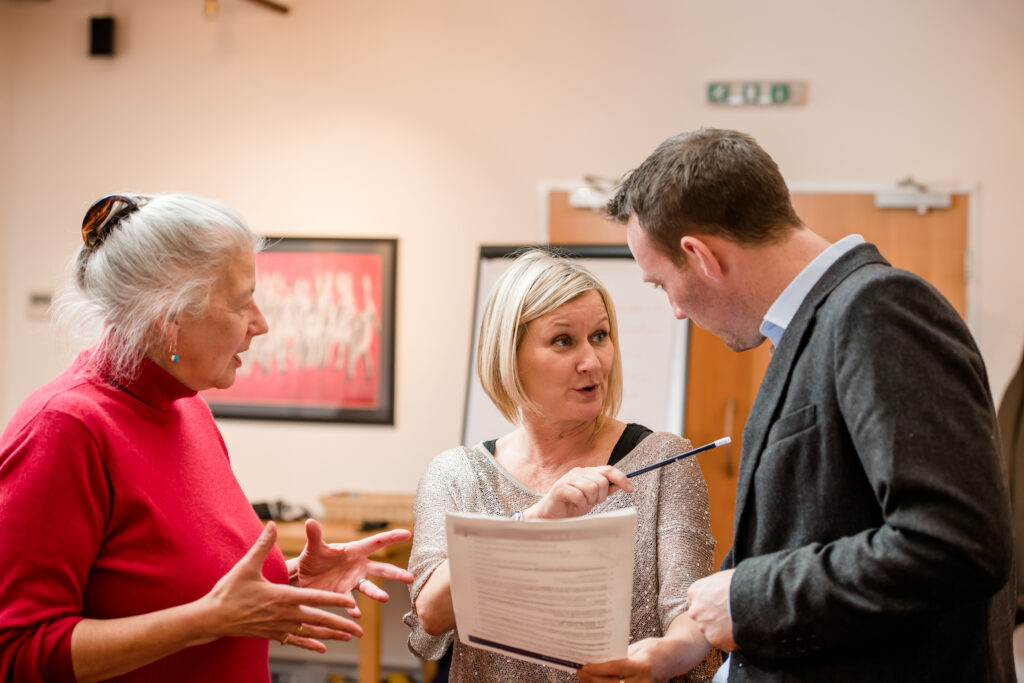
This Assertiveness Course is limited to 8 delegates ensuring personal attention to everyone on the course.
2 quality trainers per group means a total focus on you.

Assertiveness Course
ONE DAY:
Feel better about saying “no” without having to change who you are
- Strong Feelings
- Learned Messages
- Setting Boundaries
- Personal Style
- Other People’s Demands
- Status
- Language
- Behaviour
- The Art of Saying ‘No’
- Plan of Action
Podcast
Listen to Impact Factory Director Jo Ellen Grzyb and Comedian David Mitchell talking about Assertiveness
Two Day Open Course
This two-day course covers all the material from the One-Day Assertiveness Training, plus it gives you more time to practise new behaviours, tools, and techniques.
Tackle the frustration, resentment, and stress that being too accommodating can create, and find simple, practical, doable things that will work for you.
Learn the ‘Art of Saying No’ and get more opportunities to build your confidence and skills to become more of who you really are.
Course Benefits
This Assertiveness Course is limited to 8 delegates ensuring personal attention to everyone on the course.
2 quality trainers per group means a total focus on you.
Assertiveness Training Course – Two-Day
DAY ONE:
Become more of who you really are
- Small Changes
- Feelings
- Assumptions
- Status
- Behaviour
- Being Nice
- Conflict
- Setting Clear Boundaries
- The Art of Saying ‘No’
DAY TWO:
Understand ‘niceness’
- Nice Clichés
- Patterns
- Language
- Childhood Messages
- The Nice You
- Real-Life Situations
- Your True Assertive Self
- Plan of Action
Podcast
Listen to Impact Factory Director Jo Ellen Grzyb and Comedian David Mitchell talking about Assertiveness
Strong Feelings
Feelings and behaviours associated with conflict
Learned Messages
Childhood messages
Setting Boundaries
Setting personal space boundaries
Status
Situational not hierarchical status
Change status in different situations
Easy changes of behaviour
Language
Language that’s used to apologise, justify and defend
Behaviour
Behaviours that happen under stress
- Accommodating and unassertive
- Angry and overly assertive
- Authentic assertive behaviour
The Art of Saying 'No'
Choices to create different outcomes
Small Changes
How small changes create a big impact
Feelings
Feelings in uncomfortable or new situations
Behaviours associated with those feelings
Childhood Messages
Messages that reinforce non-assertive behaviour
Status
Situational, rather than hierarchical status
Change status to have a different outcome
Behaviours
Behaviours that occur under stress
- Accommodating and unassertive
- Angry and overly assertive
- Authentic assertive behaviour
Being Nice
Everyday ways in which you are ‘nice’
How being ‘nice’ can be a disservice
How being ‘nice’ can serve you
Conflict
Reasons for conflict
Defuse potential arguments
Build bridges between people
Setting Clear Boundaries
How to set personal space boundaries
Setting boundaries when dealing with others
Nice Clichés
‘Rules’ about being ‘nice’
Patterns
Why we revert to what we normally do
Wider behaviour choices
Language
Language when trying to be nice or helpful
- Using exaggerated apologies
- Justifying and over explaining
- Hedging your bets
'Nice You'
Short visualisation of you at your most accommodating
Second visualisation of you at your ‘nastiest’
Real-Life Situations
Practise ‘real-life’ situations
Share best practise and suggestions
Your Full Assertive Self
You as a balanced, assertive human being
Identify personal style








Being part of the assertiveness course was like a different world, one that I have since made sure I am actively living in. So thank you, I have recommended it to almost all friends and colleagues.
Impact Factory were really supportive and as I was a bit nervous on the day this really helped. This course was really informative and we were given some good tips on how to deal with different situations.
Katie and James were engaging and encouraging facilitators. I appreciated their attentiveness to individual’s goals for the session and their personalised feedback that helped realise growth and development even in the session itself.